These two stories are NOT from The Onion. They were in today’s NY Times:
Pardoned Jan. 6 insurrectionists are seeking reparations from the U.S. for being mistreated.
Border Patrol agents traveled into a fire zone in Washington State and arrested a firefighter while he was working at an active wildfire that was only 13% contained. He entered the U.S. when he was 4 and has lived in Oregon for 19 years with his family. He has been a firefighter for three years.

Eugenia Cheng was a tenured math prof at U. Sheffield in England but gave up the position in order to bring an appreciation of math to a wider audience. So she teaches math at an arts school now and writes books. Her latest is “Unequal: The Math of When Things Do and Don’t Add Up.” Here’s a simple point she makes. In math, 2 x 3 equals 3 x 2, but two packages containing three cookies each is not the same as three packages containing two each. Here’s what she said:
“One of the problems with math is the impression that if people can’t do it themselves, then there’s no point in doing it. You can still enjoy music even if you can’t play. You can go into an art gallery even if you can’t make art.
“I want people to be able to gaze at math. I want to show them how it goes and what I love about it and what the possibilities are. I’m not expecting everyone to understand all the way to the end, but that’s the whole point. If you only read things you understand, then how do you grow?”

We get attached to our stuff, don’t we? We love our stuff. When I taught Contract Law, I stressed how once Tom says “I offer to sell you this jacket for $50,” he has ceded to Sally his power over his jacket. With two little words: “I accept,” she gets the jacket. It’s like a mathematical equation: Offer + acceptance = binding contract. He can’t change his mind after it’s accepted. So you want to make certain that he was really making an offer. Suppose, e.g., he said instead: “Would you give me $50 for this jacket?” Does she get it if she says “I accept?” He could argue it was a mere inquiry and not an offer.
There’s a balance of concerns when assessing whether Tom has made an offer or not. If he hasn’t, you don’t want to take his jacket away. We love our stuff. But if he has, you don’t want to let him weasel out of the deal. That’s why good lawyers drive nice cars. They paint the picture you want them to paint.
I took a literature class at Brandeis with Prof. Yglesias. He was famous and it was a seminar, so I took it pass/fail, just hoping to hang on by my fingernails. It met once a week for three hours. We missed a week once and there was a holiday the following week, so we had a long gap between classes. When we finally resumed, he bounced into class and said: “Hi! Remember me?” Anyway, on Don Quixote, we were on the part where DQ finds a beat-up old wash basin and imagines it’s a golden crown. Yglesias said, “We all do that, right?” And the girl to my right said: “What do you mean? We all find junk on the street and think it’s gold?” And he said, “No. We imbue ordinary objects with special qualities. That purse of yours. [He pointed at her bag that was in front of her on the table.] It’s just a bag with some things in it. But never in a million years would I consider putting my hand into it. It would violate your personal space. We’ve ascribed special qualities to it. And we have our lucky socks, right? A lucky hat?”
I tell that story to stress how valuable our stuff is to us and that we don’t want to take Tom’s stuff away from him via a contract if he never really intended to make an offer. Here’s a poem about a tent by Rhina P. Espaillot. It’s from today’s Writer’s Almanac and is called “When We Sold the Tent.”
When we sold the tent
we threw in the Grand Canyon
with its shawl of pines,
lap full of cones and chipmunks
and crooked seams of river.
We let them have the
parched white moonscapes of Utah,
and Colorado’s
magnificat of flowers
sunbursting hill after hill.
Long gentle stretches
of Wyoming, rain outside
some sad Idaho
town where the children, giddy
with strange places, clowned all night.
Eyes like small veiled moons
circling our single light, sleek
shadows with pawprints,
all went with the outfit; and
youth, a river of campfires.
The puzzle today was all about pretzels. PRETZEL was the central answer (“Salty snack”) and the theme answers all ended with pretzel varieties: TITANIUM ROD, TEETHING RING, SELFIE STICK, and RUSSIAN TWIST. If you’ve never heard of a russian twist, here you go:
Here’s a girl I’d like to get to know better. Zoey! Be friends with her!!

The Z in pretzel was also the first letter of ZARA: “Fashion retailer headquartered in Spain.” No idea, but the crosses worked out. Turns out the company has been involved in some controversies.
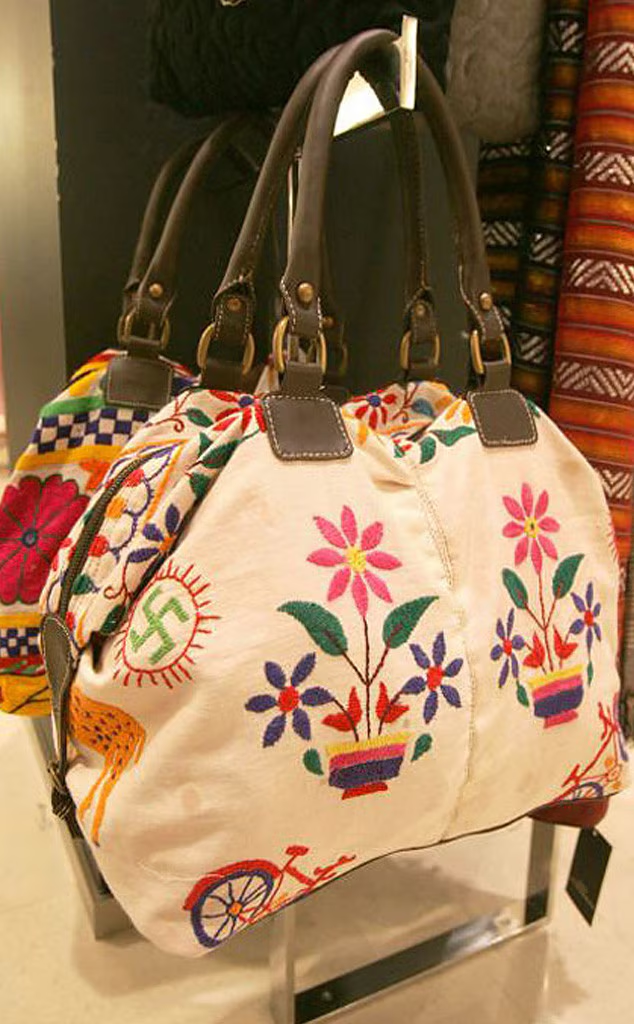
In 2007, Zara withdrew a handbag from its shelves after a customer noticed a swastika on the bag’s design. The bag came from an external supplier, and Zara claimed the symbol was not visible when the handbag was chosen. (Puh-leeze.)
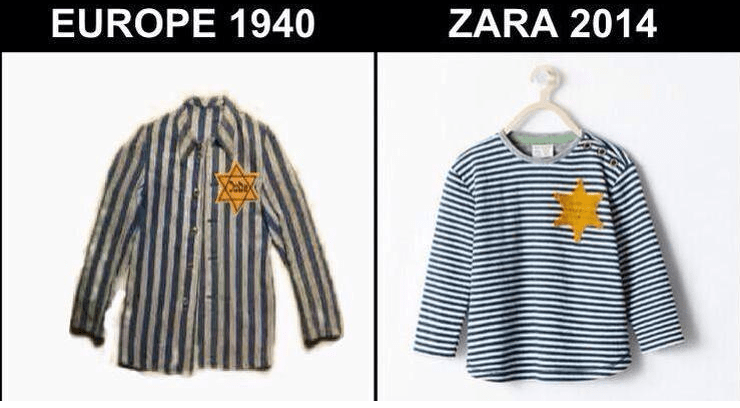
In August 2014, Zara received criticism for selling a toddler T-shirt closely resembling uniforms worn by Jewish concentration camp inmates. The T-shirt was striped and featured a yellow star similar to the Star of David. Zara said the design was inspired by “the sheriff’s stars from the classic western films.”
You decide. It was marketed in Israel.
More recently, the BBC reported several ZARA ads were removed for featuring models who were “unhealthily thin.” This one was okay.

Gahan Wilson, alav hashalom, was one of my favorite cartoonists.
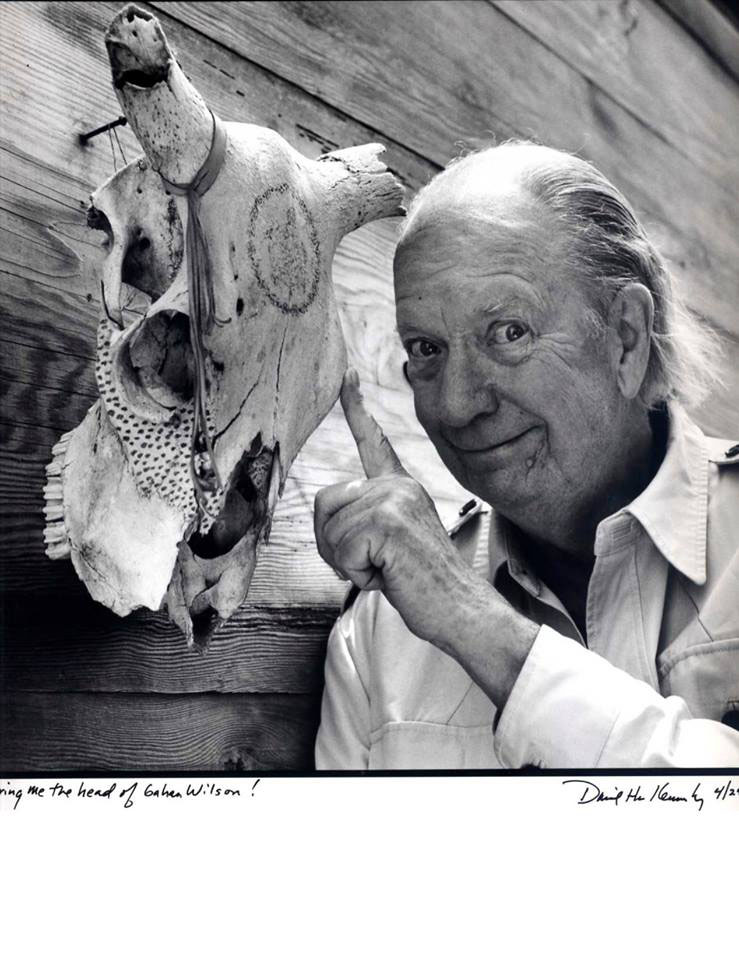
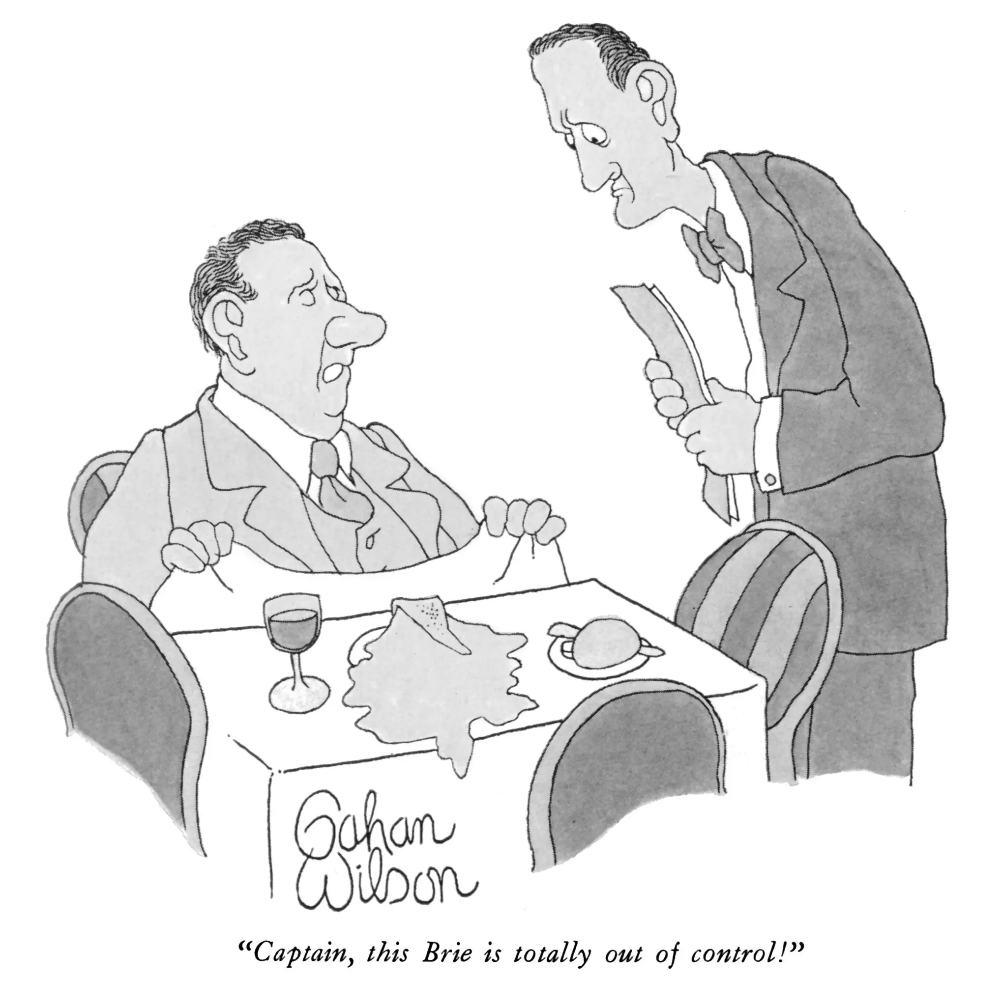
He passed away in 2019 three months shy of his 90th birthday. He was married to his wife Nancy for 53 years, until her death less than a year before his. I have complained here repeatedly about the unfunniness of current New Yorker cartoons (providing an abundance of evidence in each case). I found this one of his from a New Yorker from 1978. It’s as close to perfection as they get, IMO. Let’s let it close for us tonight.
See you tomorrow. Thanks for popping in.
 The Wellington Files